
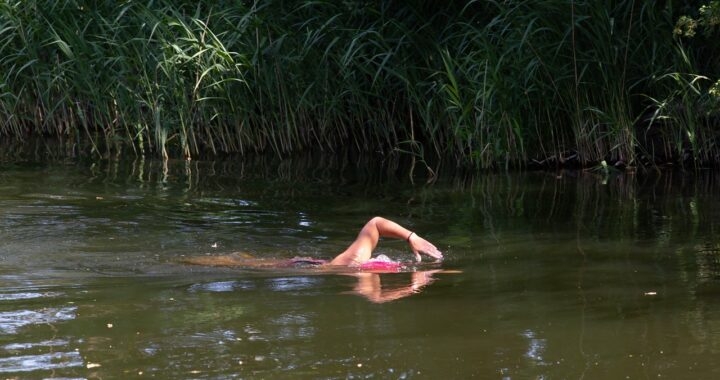
Wild swimming, the practice of swimming in natural bodies of water, has gained popularity in recent years as a refreshing and adventurous way to connect with nature. While wild swimming offers numerous health benefits, including physical exercise and mental rejuvenation, there have been cases where individuals developed a condition known as post-infective irritable bowel syndrome (IBS) following their swimming experiences.
Understanding Post-Infective IBS
Post-infective IBS is a subtype of irritable bowel syndrome that can develop after a gastrointestinal infection. It typically occurs in wild swimmers when an individual experiences an acute gastrointestinal infection, such as gastroenteritis, caused by bacteria or viruses that can be picked up from the water they swim in. The infection triggers an immune response and alters the gut microbiota, leading to persistent gastrointestinal symptoms even after the infection has cleared.
Symptoms of Post-Infective IBS
Post-infective IBS shares many symptoms with other forms of IBS. Common symptoms include:
- Abdominal pain and cramping: Recurring or continuous discomfort in the abdominal area, which may vary in intensity and usually relieved when you open your bowels.
- Diarrhoea or constipation: Frequent loose stools or difficulty passing stools.
- Bloating and gas: Feeling of fullness, abdominal distension, and increased gas production.
- Altered bowel habits: Inconsistent stool patterns, such as alternating between diarrhoea and constipation
- Fatigue and psychological distress: Many individuals with post-infective IBS also experience fatigue, anxiety, or depression as a result of their ongoing symptoms.
Water contamination in natural bodies of water, including lakes, rivers, and ponds, with harmful bacteria or viruses can lead to exposure during wild swimming and result in gastrointestinal infections and subsequent IBS symptoms.
If you suspect that you have developed a gastrointrstinal infection after wild swimming, it is important to consult a healthcare professional for an accurate diagnosis and personalised treatment plan.
If, after testing, they conclude that the infection has cleared and you have developed post infectious IBS, here are some strategies that may help alleviate symptoms:
- Dietary modifications: Identifying and avoiding trigger foods, such as those high in FODMAPs (fermentable oligosaccharides, disaccharides, monosaccharides, and polyols), can help reduce gastrointestinal distress. Should you wish to undertake the low FODMAP diet, this should be done under the care of a suitably trained healthcare professional such as a gastroenterology specialist dietitian.
- Probiotics: Probiotic supplements or foods may help restore a healthy balance of gut bacteria and alleviate symptoms although the evidence to support this is limited.
- Stress management: Practicing stress-reducing techniques, such as meditation, yoga, or counseling, can help manage gut symptoms triggered by stress as a consequence of the gut-brain axis.
- Medications: In some cases, medications such as antispasmodics, anti-diarrhoeals, or low-dose antidepressants may be prescribed to alleviate specific symptoms.
- Gradual exercise and physical activity: Engaging in gentle physical activities and gradually increasing intensity can help improve overall gut health and reduce symptoms.
I love wild swimming but how do I prevent myself from getting sick in the first place?
Prevention is crucial in reducing the risk of developing post-infective IBS after wild swimming. Consider the following precautions:
- Choose safe swimming locations: Opt for designated swimming areas with good water quality and minimal contamination risks.
- Practice good hygiene: Shower before and after swimming to minimize the risk of infection. Avoid swallowing or ingesting water while swimming.
- Be mindful of water quality: Stay informed about water quality reports and avoid swimming in bodies of water with known contamination issues.
- Build immunity: Maintain a healthy immune system through a balanced diet, regular exercise, adequate sleep, and stress management.
Finally, while wild swimming can be a delightful experience, it’s essential to be aware of the potential risks associated with contaminated water. By taking preventative measures and seeking appropriate medical guidance, wild swimming enthusiasts can continue to enjoy the natural beauty of water bodies while safeguarding their well-being. However, understanding the symptoms, causes, and management strategies for post infective IBS can help individuals who may have developed this condition find relief and regain control of their gut health.
Disclaimer: The information provided in this article is for informational purposes only and should not replace professional medical advice.
Louise Tunstall

Louise Tunstall is a freelance content creator with a background in human biology. She focuses on exploring medical and scientific topics and talking to experts in their field, then translating the information into easily accessible articles.